
Oval-Cut Diamonds: What to Look For
An oval diamond pairs a rounded outline with an elongated shape. Depending on its proportions and setting, it can feel classic, understated or distinctly modern. The most useful question isn't which carat weight to choose. It's which individual oval looks best to you.
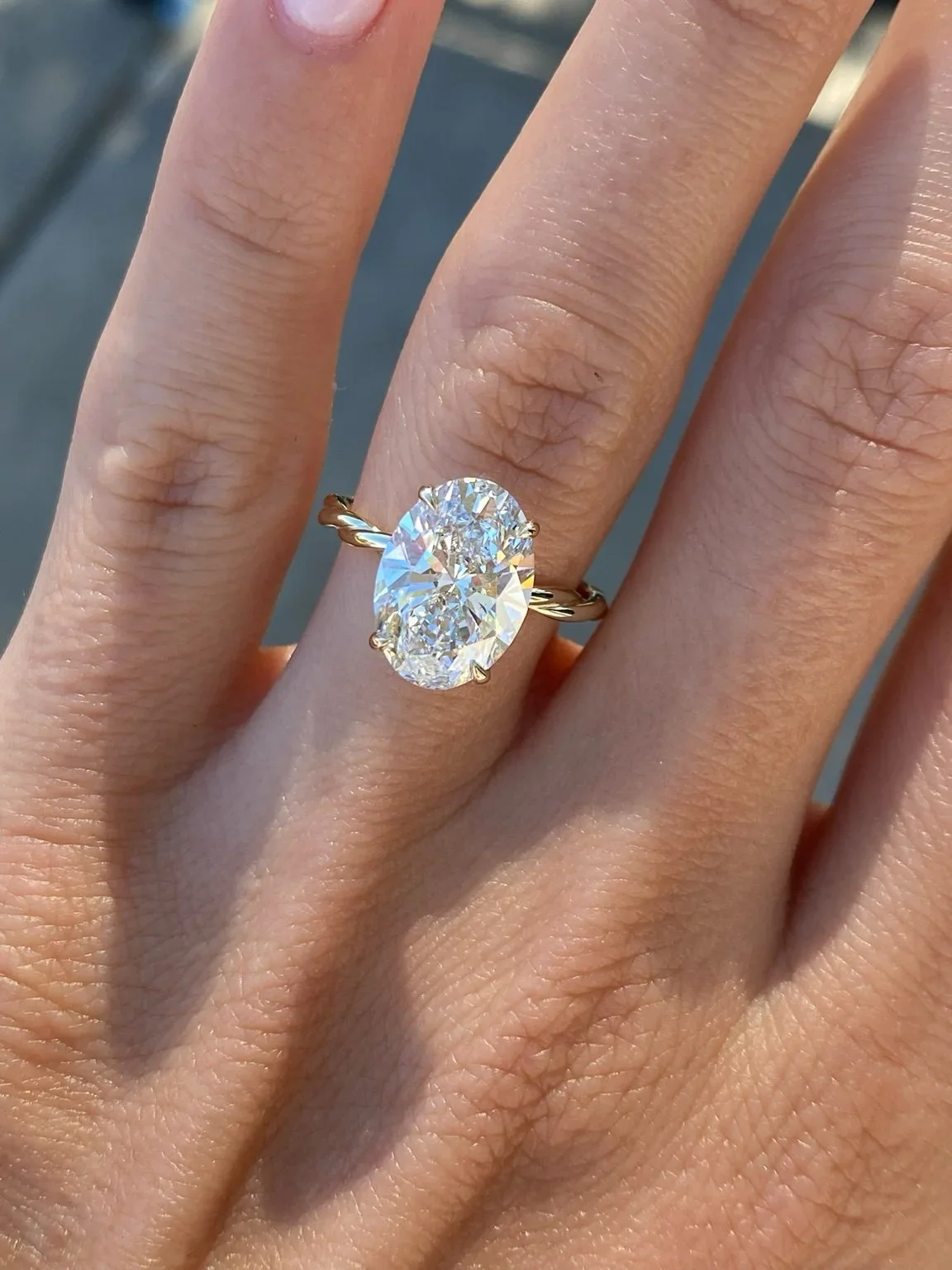
Not all ovals look alike
Two ovals with the same carat weight can look noticeably different. Some are long and narrow; others are wider and softer. Neither is automatically better. The length-to-width ratio describes the outline, but numbers alone can't tell you whether you'll love the stone.
Compare candidates face-up, not just by the report. Look at the overall outline, how the ends curve, and whether the stone looks balanced side to side. A well-proportioned oval looks intentional, not stretched or uneven.
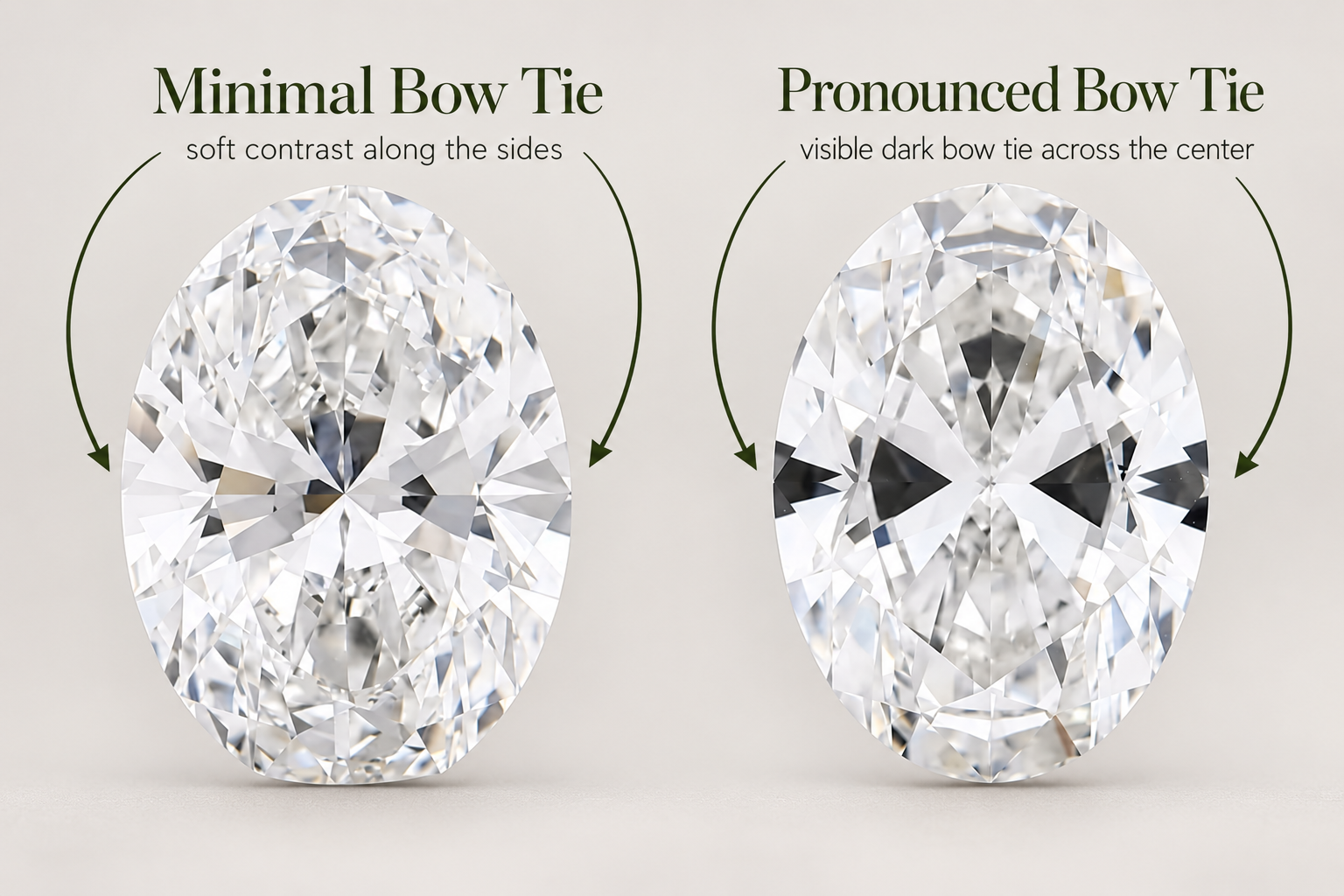
What is the bow-tie effect?
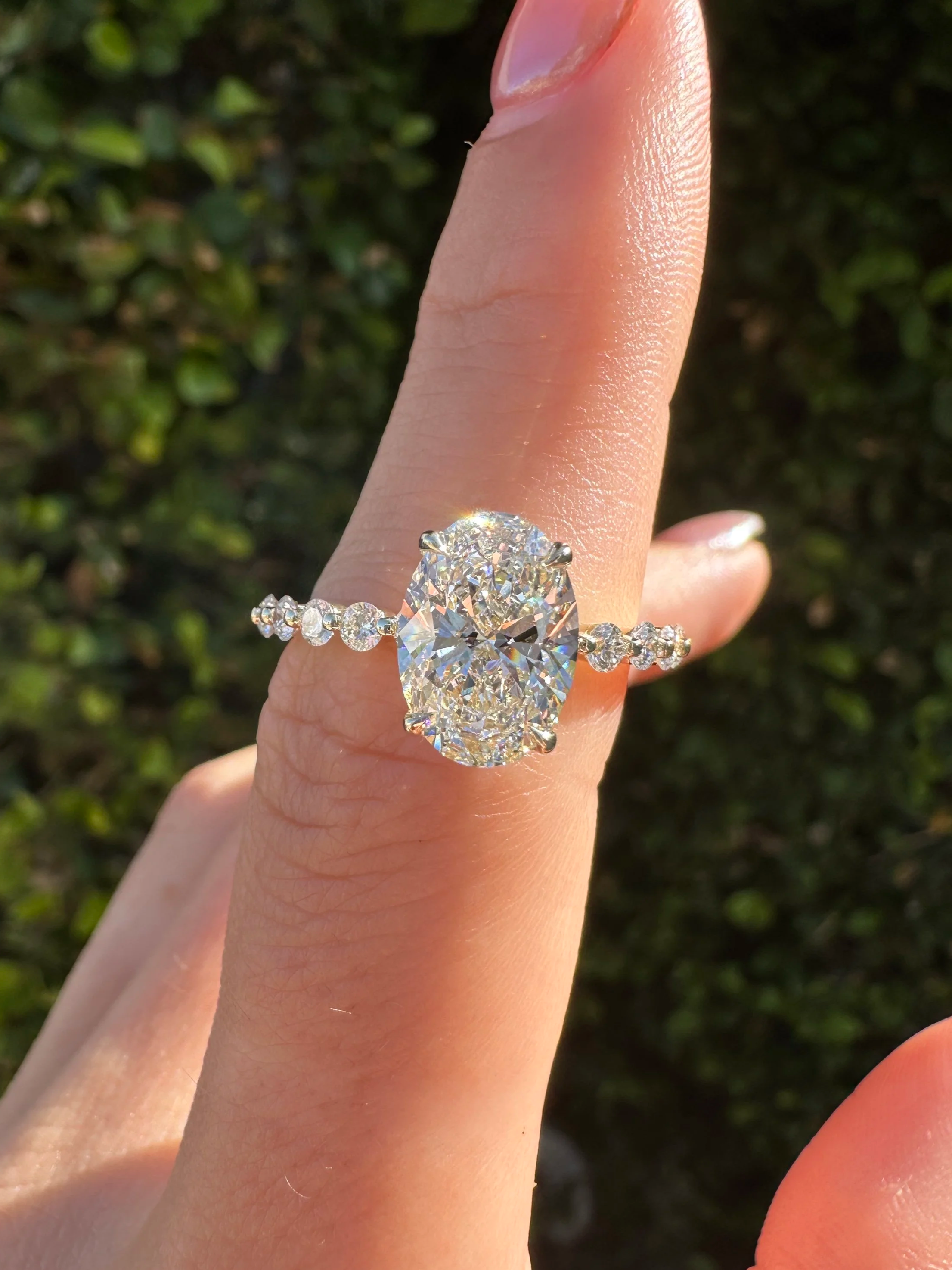
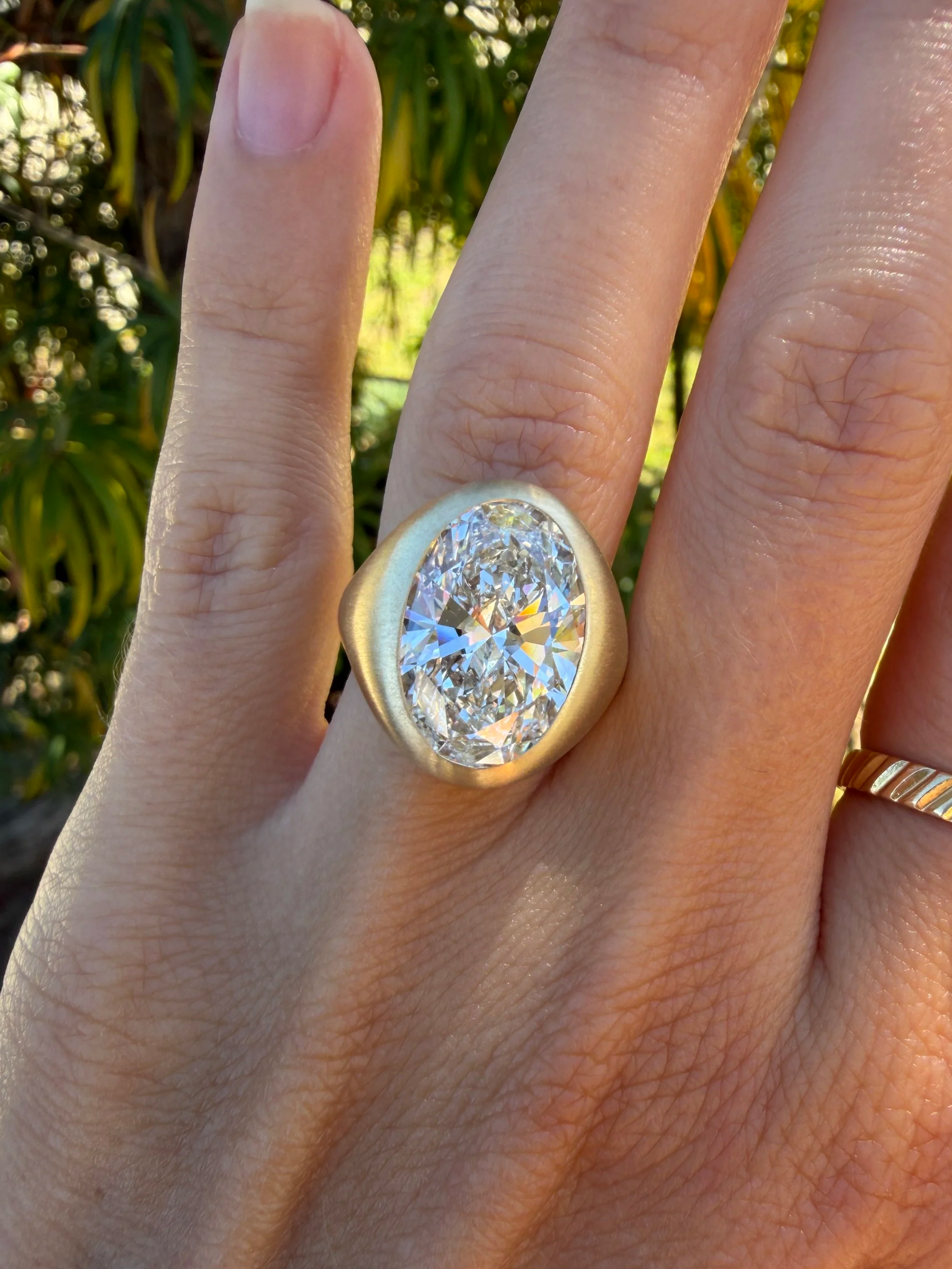
Many ovals show some darker shading across the center, often called a bow tie. It comes from how the cut handles light, and it varies from stone to stone. A little is normal. A strong, persistent dark band can be distracting, especially when the diamond moves.
Ask for real videos under more than one lighting condition, and look for a pleasing balance of brightness, contrast and sparkle. Grading reports don't grade the bow tie, so this is one thing you have to see.
Every diamond we propose comes with an independent grading report, mainly from IGI for lab-grown diamonds and GIA for natural diamonds. The report is the starting point; we still compare the actual stones in video before recommending one.
Size, spread and carat weight
Carat measures weight, not visible size. Two one-carat ovals can have different face-up dimensions, and a longer stone can look different on the hand than a wider one at the same weight. Measurements, proportions and the setting all shape the finished look.
Rather than choosing by carat alone, decide which outline and presence feel right, then compare diamonds that fit your preferences and budget.
Settings that work with oval diamonds
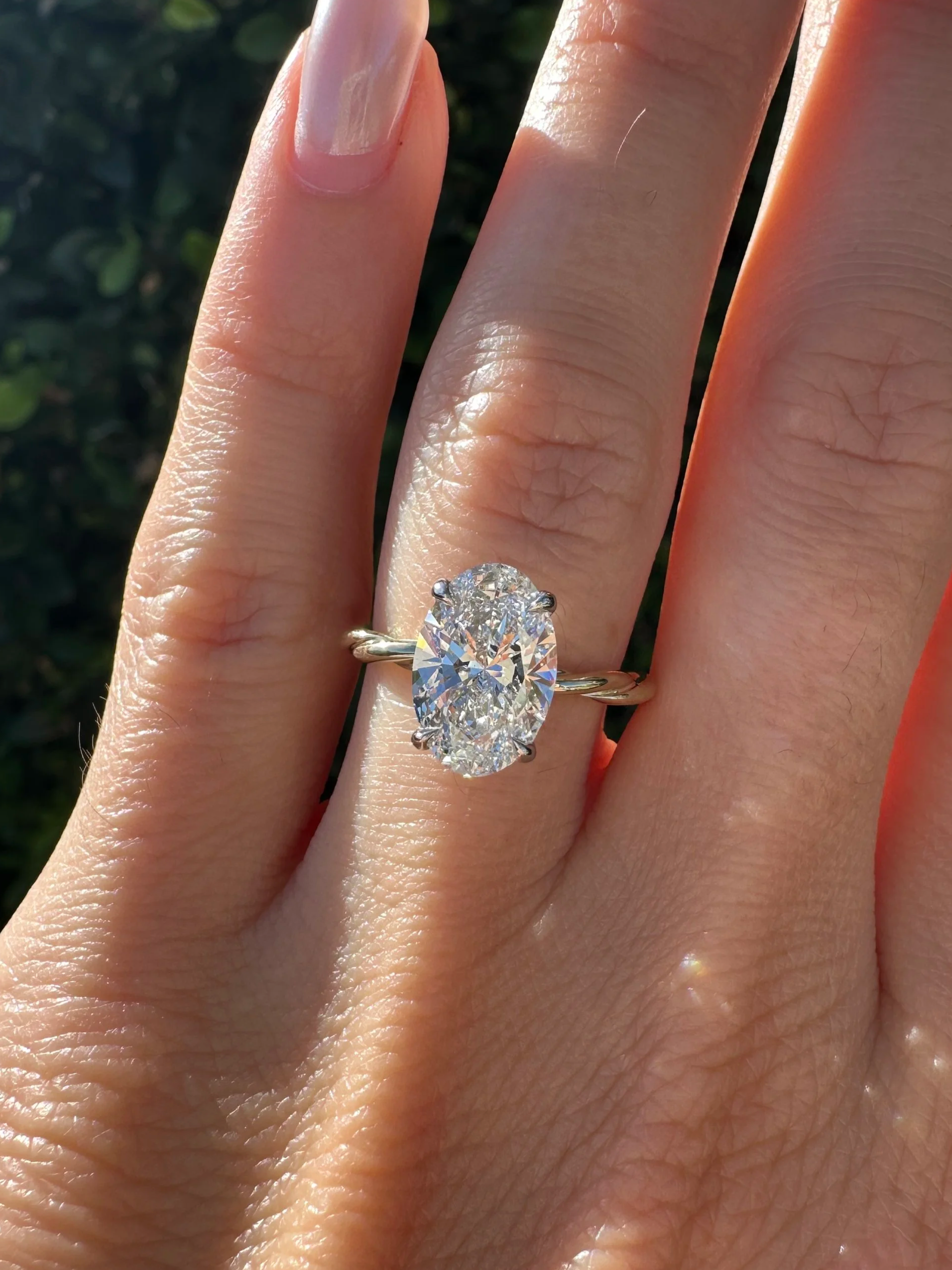
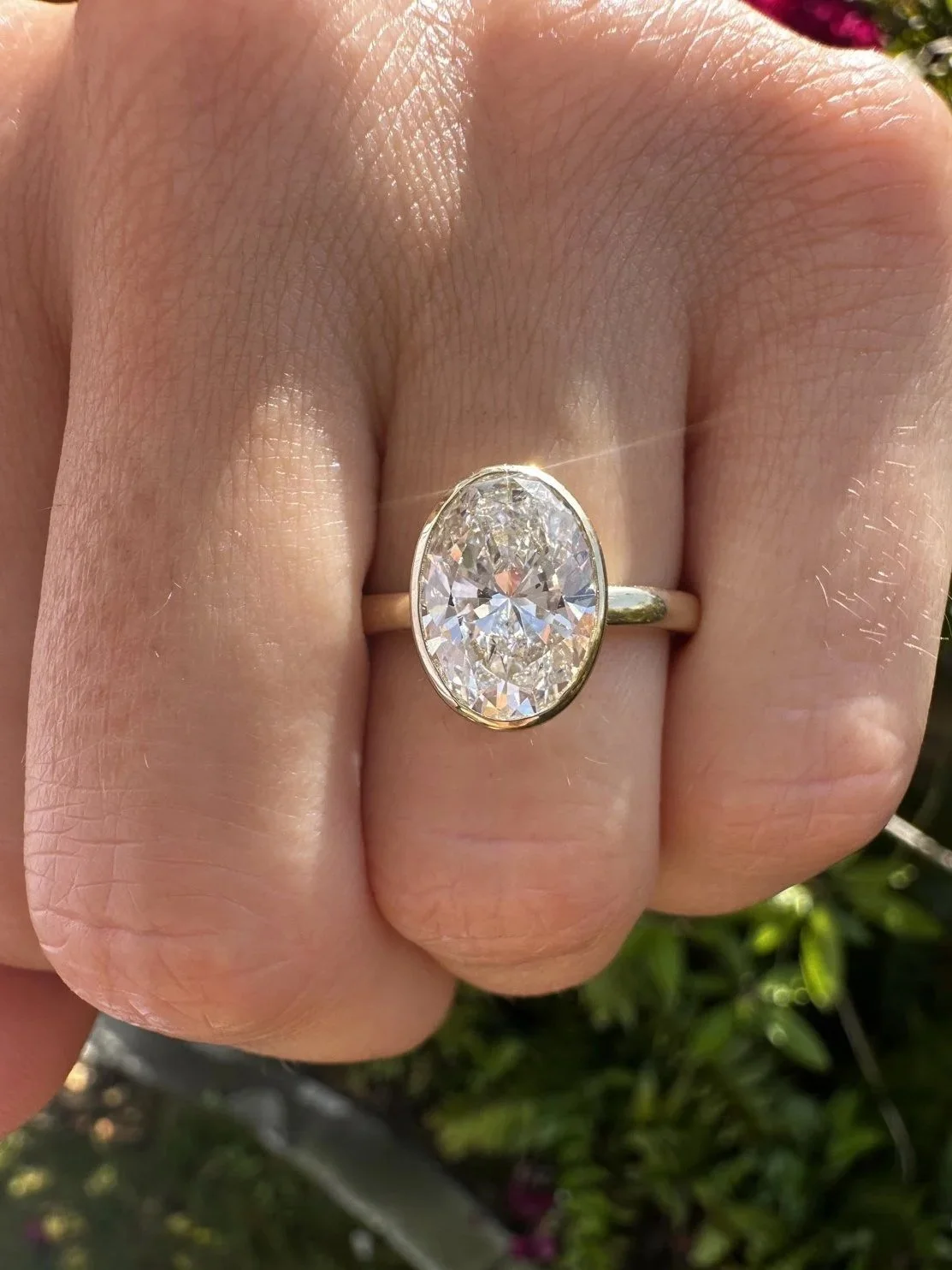
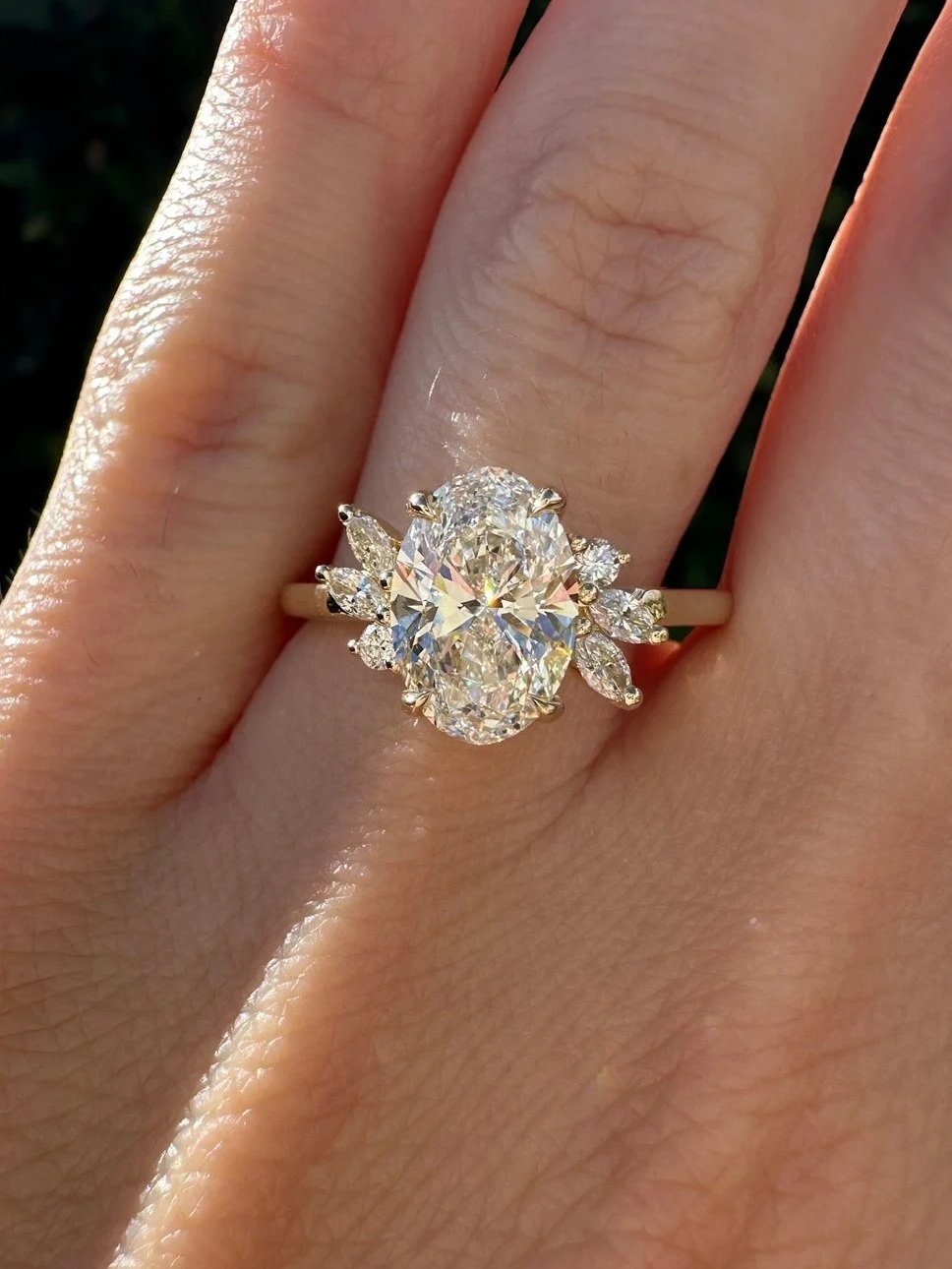
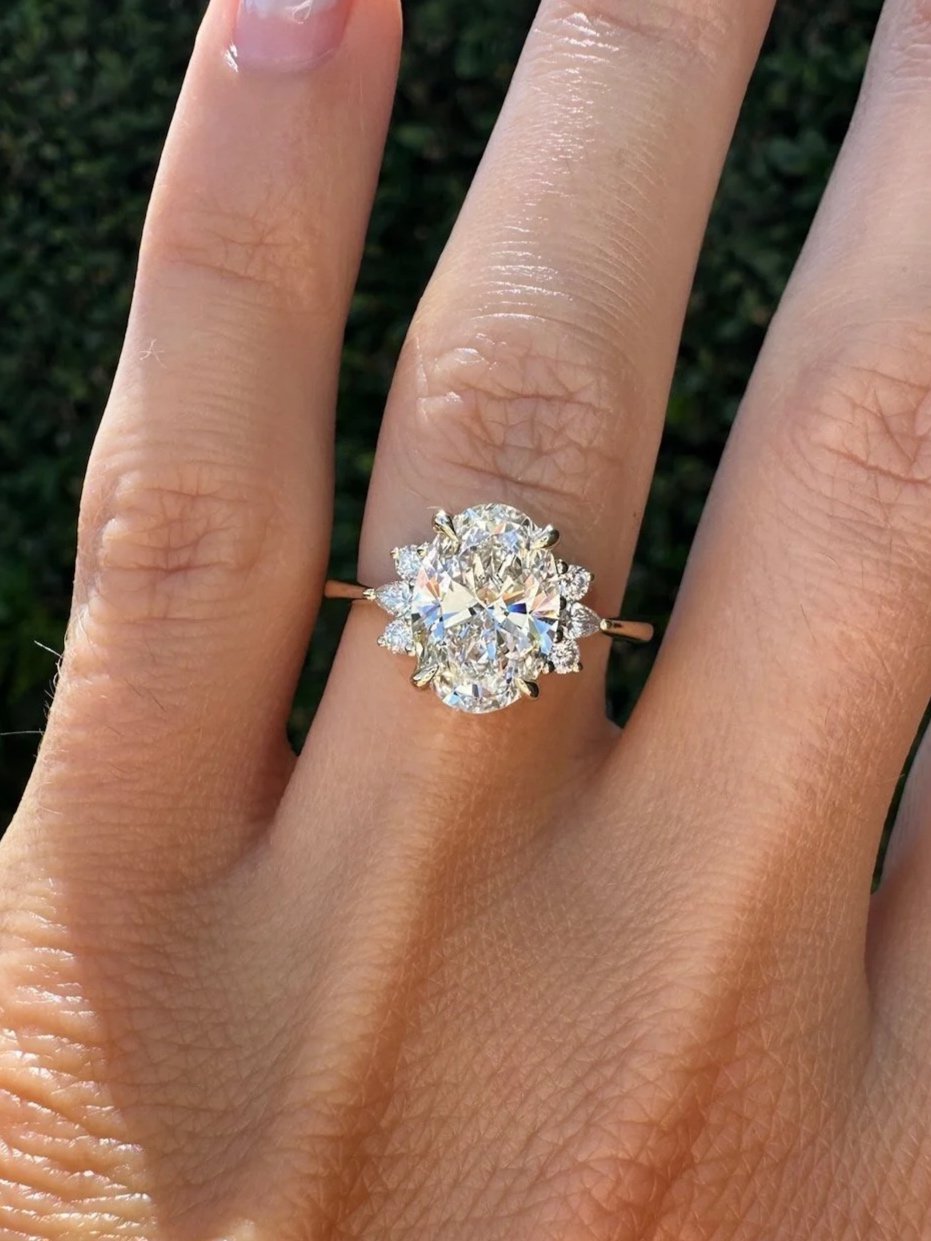
A solitaire keeps the oval as the focal point. A hidden halo adds detail from the side while keeping the top view clean. Side stones add sparkle or change the silhouette. Band width and profile matter too, especially if you plan to pair the ring with a wedding band.
Prong placement, setting height and daily wear should be considered together. The right design protects the stone without hiding the outline that drew you to an oval in the first place.
Lab-grown or natural?
We work with both. Lab-grown and natural diamonds have the same chemical composition and crystal structure; they differ in origin and market characteristics. We compare stones in either category based on appearance, grading and your priorities. For a full comparison, see our guide to lab-grown vs natural diamonds.
Designing your oval ring with DMND Ave
Every ring starts with a free 30-minute video consultation, followed by a proposal with a preliminary sketch. After the 50% deposit, Alain sources diamonds for you to review, and you approve the diamond and the detailed 3D design before production. The full step-by-step process is on our custom engagement rings page.
Custom projects typically take 4–6 weeks from the 50% deposit to the finished ring, with insured FedEx shipping afterward. Budgets vary by diamond and design; see what a custom engagement ring costs.
Ready to start? Book a free 30-minute video consult with Alyssa. We work with clients worldwide.